FOUNDED IN SEFTON · BASED IN WATERLOO

Building Stronger Boys

Mindset Warrior is a six-week martial arts mentoring programme for boys in Years 7–11. It builds self-control, confidence, resilience and respect through structured physical challenge, trusted coaches and guided reflection.

No live fighting. No striking between students. No competitive sparring.

Evidence-informed and measured from week one to week six.

Enhanced DBS checked
Fully insured
Outcomes report included

Evidence-informed and measured from the start.

Today's Boys Face Real Challenges

Confidence and belonging

Low confidence can affect participation, relationships and the willingness to try something difficult.

Self-regulation and behaviour

Some boys struggle to pause, manage frustration or recover when things go wrong.

Stress and wellbeing

Anxiety, pressure and difficult experiences can affect concentration, attendance and behaviour.

Bullying and safety

Bullying can damage confidence, belonging, attendance and the ability to feel safe in school.

The Mindset Warrior Approach

Mindset Warrior combines the discipline and respect of martial arts with trusted adult mentoring. It is a structured personal-development and behaviour intervention for boys who need a different route into confidence, self-control and belonging.

It is not about teaching boys to fight. It teaches them to handle challenge without giving up or escalating, to respect themselves and others, and to carry those behaviours back into school.

The founding delivery area is Sefton. Sessions run at Warrior Combat Gym in Waterloo, or in a suitable space at your school.

The 6 Week Programme

One theme a week, each building on the last

1

Belonging and the learning environment

Build trust, agree boundaries and notice what helps people take part.

2

Communication and listening

Voice, inclusion, clear communication and the effect we have on a group.

3

Confidence and self-awareness

Notice responses to uncertainty and practise one supported step beyond the familiar.

4

Responding to challenge

Pause, manage frustration, adapt and try another way rather than giving up or escalating.

5

Responsibility and leadership

Ownership, influence, leading well and letting others lead.

What a session looks like

Every week follows the same shape, so students always know where they stand.

There is no live fighting, no striking between students and no competitive sparring. Some sessions may include carefully supervised partner movement or grappling drills. Every student has the right to pause, pass or use a non-contact alternative.

  1. Arrival and check-in (5 min). Settle the group and reconnect to last week's action.
  2. Purpose and boundaries (5 min). The learning aim, roles, safety and the right to pause or pass.
  3. Purposeful experience (20 min). Movement-based and martial-arts-informed activity using pads, bags, footwork and, where appropriate, carefully supervised partner drills. Students can pause, pass or use a non-contact alternative.
  4. Reflection (10 min). What happened, what students noticed, and how the group affected the outcome.
  5. Real-life connection (10 min). Where the same pattern shows up in school and beyond.
  6. One action (5 min). Each student chooses one small behaviour to practise this week.
  7. Close (5 min). Capture reflections and finish with clarity.

Session Length

45 to 60 minutes

Frequency

Once per week for six weeks

Group Size

Up to 15 students

Location

Warrior Combat Gym in Waterloo, or a suitable space at school

Outcomes That Matter

Mindset Warrior is built around outcomes that matter to teachers, parents, and the boys themselves

For Your Boys

  • Stronger confidence and self-belief
  • Improved self-regulation and response to challenge
  • Greater focus and engagement
  • Stronger communication and respect
  • A healthier model of strength and leadership
  • A sense of achievement and belonging

For Your School

  • Structured support for pastoral, behaviour and wellbeing priorities
  • Engagement for boys who have not responded to traditional support
  • Clear evidence for senior leaders, governors and personal-development provision
  • Attendance, engagement and outcome reporting
  • Flexible delivery at the gym or in school
  • A repeatable cohort model

Measured, not asserted

We agree the baseline and follow-up measures with the school before delivery. These can include the Strengths and Difficulties Questionnaire (SDQ), attendance, engagement and coach observations. At the end of week six, the school receives a cohort outcomes report showing what changed, what the coaches observed and what should happen next. Any measure is used in line with its licensing terms and the agreed data-protection arrangements.

How to Get Started

Five steps from first conversation to graduation

1

Discovery conversation

We talk through your school's priorities, the boys you would like to reach, and answer any questions. No obligation, just a conversation.

2

Gym visit or delivery planning meeting

Come and see Warrior Combat Gym and meet the coaches, or we plan delivery in your own space if that suits the school better.

3

Cohort planning

We work with the school to agree the right group, the intended outcomes, safeguarding arrangements, consent and the practical delivery plan.

4

Six-week delivery

One session a week for six weeks, at the gym or in school. Coaches are enhanced DBS checked, and school staff get regular updates on how the boys are getting on.

5

Graduation and outcomes report

Students receive certificates at a graduation with parents invited. The school receives the cohort outcomes report and what we suggest next.

Want to talk it through?

Tell us what you want to improve for your boys, and we will talk through the cohort, delivery and what your school wants to measure.

Discuss a Founding Cohort

Trusted Coaches. Clear Standards.

The same coaches who work with young people at the gym every week
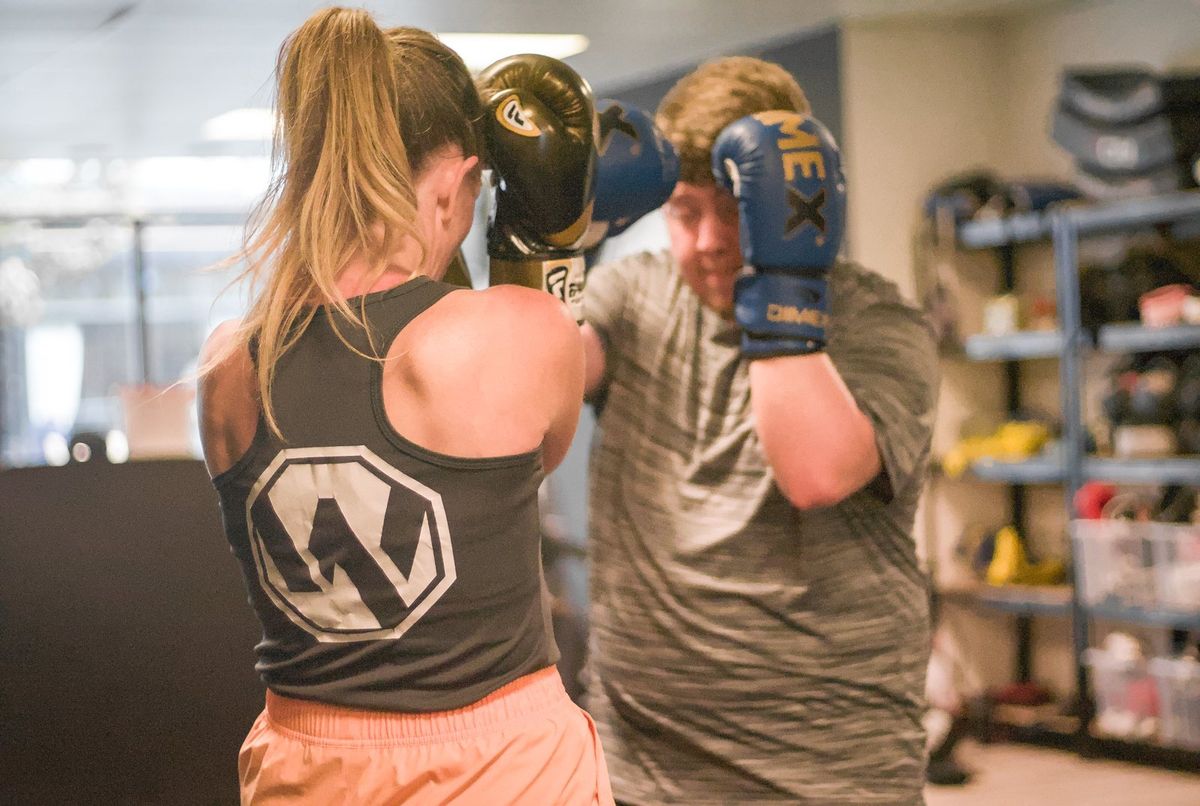
A Mindset Warrior coach working one to one with a young person on guard and footwork

Enhanced DBS checked

All programme coaches are enhanced DBS checked and subject to ongoing safeguarding and suitability checks.

Experienced youth coaches

The programme is delivered by coaches who already work with children and young people through Warrior Combat Gym's regular classes.

Safeguarding first

Mindset Warrior has a named Programme Safeguarding Lead, Karen O'Connor, and follows the published safeguarding and reporting procedures of Warrior Combat Gym CIC.

Insured and prepared

Appropriate insurance, risk assessment and first-aid provision are in place for every cohort.

Important Documents

Our evidence briefings and policies, free to download and share with colleagues, governors and parents

Why the Tears Come After the Pads

An evidence-informed look at why emotion can surface after structured physical challenge, and how coaches respond.

August 2026 · Version 1.2 · PDF

Strong, Not Toxic

Boys, online influencers and role models: the evidence for a strengths-based approach to a problem schools across the country are facing.

August 2026 · Version 1.1 · PDF

Safeguarding Policy

The safeguarding policy for the schools programme, including the named Programme Safeguarding Lead and reporting procedures.

August 2026 · Version 1.0 · Reviewed annually View the Evidence

Sample Outcomes Report

An illustrative example of the end of programme report a school receives at week 6, including before and after measurement.

August 2026 · Version 1.1 · PDF · Illustrative data Download the sample

Prefer the papers in your inbox?

We'll email you both papers so you can read them later or forward them to colleagues.

We'll send the pack and may follow up once to see if it was useful. No newsletters, and we never share your details. Privacy policy

Frequently Asked Questions

No. There is no live fighting, no striking between students and no competitive sparring. Students learn through pads, bags, footwork, movement and carefully supervised partner drills where appropriate. The purpose is self-control, confidence, respect and the ability to respond well to challenge. Every student can pause, pass or use a non-contact alternative.

No, and the research points the other way. Hitting things while stewing on a grievance makes anger worse, not better. That is why no session here is ever just hitting pads: every session pairs the physical work with mindset coaching and reflection, inside a martial arts tradition built on restraint. A meta-analysis of child and youth studies found martial arts training reduced aggressive behaviour, with more training linked to less aggression. The full picture is on our page The Science.

Physical challenge can sometimes bring emotion to the surface. Tears may reflect effort, frustration, relief, stress, trust or several things at once. Coaches do not interpret the emotion for the student or pressure them to explain. They respond calmly, protect the student's dignity, offer a pause and follow safeguarding procedures if anything said suggests harm, abuse or risk. There is more on this on The Science.

Directly, because misogynistic behaviour in schools is a real and serious problem. What we do not do is lecture, because the research shows shame-based approaches push boys further away. Instead, respect for women is taught as part of strength: needing to dominate anyone is weakness. Coaches model it in how they speak every week, and students see women training and competing in combat sports as equals. Our full approach, with the evidence behind it, is on The Challenge.

No. Mindset Warrior is a mentoring and personal-development programme, not therapy, diagnosis or treatment. It can sit alongside a school's pastoral support, but it does not replace clinical or specialist services. Where a young person may need additional support, concerns are passed through the school's safeguarding and support processes.

Most cohorts run at Warrior Combat Gym in Waterloo: training in a real gym is part of the draw. We can also deliver at a suitable space at your school, and both options are risk-assessed. Students just need comfortable clothes they can move in. We provide all the kit.

Boys in Years 7 to 11, ages 11 to 16. We adapt the content and delivery style for different age groups. Most schools target Year 8 or Year 9.

We work with you to identify the boys who would benefit most. This often includes those with low confidence, difficulty with self-regulation, risk of exclusion, or anxiety. Some schools also use it as an aspirational programme for student leaders.

We recommend a member of school staff is present or nearby for safeguarding and to observe student progress. Our instructors lead the session entirely. We don't need staff to take part unless they'd like to.

Students graduate with certificates and a sense of genuine achievement. You receive a full outcomes report. Schools can run more than one cohort a year to reach more students, and graduates are welcome to carry on training in our junior classes at the gym.

The standard price is £1,000 for a full cohort of up to 15 boys, including six weekly sessions, graduation and the end-of-programme outcomes report. As part of the founding Sefton rollout, a Sefton school's first cohort is £650. There are no hidden programme fees.

Parents are warmly invited to the graduation ceremony in Week 6 where students demonstrate what they've learned. Regular sessions are student-focused, but we're happy to arrange a parent information session before the programme begins.

Discuss a Founding Cohort

Tell us what you want to improve for your boys. We will talk through the cohort, delivery options, safeguarding arrangements and the outcomes your school wants to measure.

No-obligation conversation
Tailored proposal for your school
£1,000 per cohort. A founding Sefton school's first is £650

Request a Conversation

We will contact you within one working day to arrange a conversation.